
How Weather Affects Roofing in Amarillo, TX
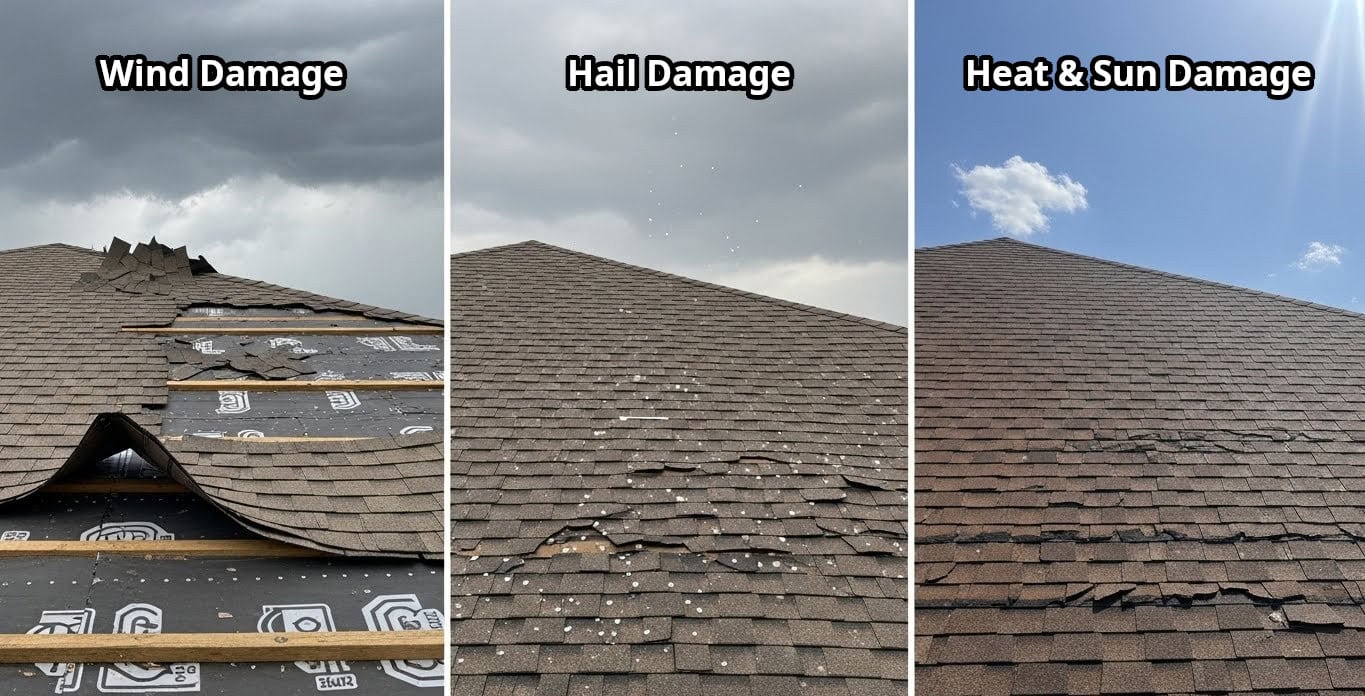
Let’s Dive in and See How Weather Affects Roofing
Knowing how weather affects roofing is crucial for Designers that create roof systems to resist the elements, yet no roof is immune to climate stress. In Amarillo, roofing faces tough weather challenges. Strong winds, hailstorms, temperature changes, and intense sun all take a toll. These forces deteriorate the roof over time, even when the installers do it right. Knowing how weather affects roofing helps homeowners see risks early. They can then take the right maintenance steps. It also helps explain why some roofs fail sooner than expected.
Roof damage from wind, hail damage to roofing, and moisture buildup all connect back to local conditions. At Tascosa Roofing LLC, weather-driven inspections are a core part of protecting homes across the Texas Panhandle. Homeowners who understand how weather affects roofing can make smarter choices. They can select better materials, plan maintenance, and handle repairs more like a pro. This guide shows how Amarillo weather affects roof performance and durability.
How Weather Affects Roofing: Key Factors to Know
- Wind Uplift and Shingle Loss
- Hail Impact and Surface Damage
- Intense Heat and Shingle Breakdown
- UV Radiation and Material Fading
- Sudden Temperature Swings
- Thermal Expansion and Contraction
- Freeze–Thaw Stress on Roofing Systems
- Heavy Rain and Leak Formation
- Moisture Intrusion and Wood Rot
- Granule Loss on Asphalt Shingles
- Aging From Constant Sun Exposure
- Storm Debris and Puncture Risks
- Ice Formation Around Roof Edges
- Ventilation Strain from Extreme Heat
- Sealant Breakdown Over Time
- Fastener Loosening from Wind Stress
- Material Fatigue from Repeated Storms
- Reduced Roof Material Longevity
- Increased Maintenance from Severe Weather
- Long-Term Roofing System Resilience
Wind Uplift and Shingle Loss
High winds are a defining part of how weather affects roofing in Amarillo. Strong gusts lift shingle edges and weaken adhesive bonds. Over time, shingles tear free and expose the underlayment. Roofing in high winds requires strong fastening and proper installation to reduce loss.
Hail Impact and Surface Damage
Hail damage roofing issues are common across the Panhandle. Hail bruises shingles, cracks tiles, and dents metal surfaces. These impacts reduce roof material longevity and invite leaks during future storms.
Intense Heat and Shingle Breakdown
Heat stress on roofs accelerates aging. Prolonged heat dries out asphalt shingles and weakens protective oils. This process explains how weather affects roofing during Amarillo summers.
UV Radiation and Material Fading
UV radiation and roof degradation break down surface layers. Sun exposure causes fading, cracking, and brittleness. Roof aging from sun exposure remains a top concern in Texas weather and roofing challenges.
Sudden Temperature Swings
Extreme temperature effects place strain on roofing systems. Warm days followed by cold nights cause repeated expansion and contraction that weaken seams.
Thermal Expansion and Contraction
Thermal expansion roofing stress affects metal, shingles, and flashing. As materials move, fasteners loosen, and seals fail. This cycle is a major reason that weather affects roofing over time.
Freeze–Thaw Stress on Roofing Systems
Freeze-thaw roof damage occurs when moisture enters cracks and freezes. Expansion widens gaps and leads to long-term failure if left unchecked.
Heavy Rain and Leak Formation
Rain and roof leaks often go hand in hand after storms. Water finds weak spots created by wind or hail. Moisture intrusion worsens roof deterioration and climate effects.
Moisture Intrusion and Wood Rot
Moisture and roof rot develop when water reaches the decking or framing. Rot weakens structural support and raises repair costs.
Granule Loss on Asphalt Shingles
Granule loss on shingles exposes asphalt. Granules protect against UV rays, so their loss speeds up breakdown.
Aging From Constant Sun Exposure
Roof aging from sun exposure shortens lifespan. Constant heat and light cause materials to dry, curl, and crack.
Storm Debris and Puncture Risks
Flying debris causes direct damage during severe weather roof stress events. Branches and hailstones puncture roofing layers.
Ice Formation Around Roof Edges
Ice buildup blocks drainage paths. Water backs up under shingles and causes leaks during freeze cycles.
Ventilation Strain from Extreme Heat
Poor ventilation traps heat in attics. This worsens heat stress on roofs and reduces roofing system resilience. A Proper Attic Ventilation System Can Extend Your Roof’s Lifespan.
Sealant Breakdown Over Time
Sealants dry out and crack under the sun and heat. Failed seals allow water to enter around vents and chimneys.
Fastener Loosening from Wind Stress
Repeated wind stress pulls fasteners loose. This movement weakens the entire roofing system.
Material Fatigue from Repeated Storms
Severe storms test roofing materials year after year. Fatigue reduces resistance to future events.
Reduced Roof Material Longevity
Roof material longevity declines faster in harsh climates. Amarillo’s conditions shorten expected lifespans.
Increased Maintenance from Severe Weather
Roofing maintenance weather demands rise with storm frequency. Regular inspections help control damage.
Long-Term Roofing System Resilience
Knowing how weather impacts roofs helps homeowners become stronger. Regular inspections, upgrades, and smart repairs are key. So, “How Often Should You Schedule a Roof Inspection in Amarillo, TX?” Tascosa Roofing recommends a minimum of twice per year.
FAQs
1. How does Amarillo’s weather affect roofing systems?
Amarillo weather combines wind, hail, heat, and cold. These forces explain how weather affects roofing through wear, movement, and moisture damage.
2. What type of roof damage is most common in Amarillo?
Roof damage from wind and hail appears most often after storms.
3. Does heat shorten roof life?
Yes. Heat stress on roofs dries materials and speeds up aging.
4. How does UV radiation damage roofs?
UV radiation and roof degradation break down surface layers and cause cracking.
5. Why do temperature swings matter for roofing?
Extreme temperature effects cause expansion and contraction that weaken seams.
6. Can rain cause roof damage without visible leaks?
Yes. Rain and roof leaks often start small and spread inside the roofing layers.
7. What role does moisture play in roof failure?
Moisture and roof rot weaken decking and framing beneath the roof surface.
8. How often should someone inspect roofs in Amarillo?
Annual inspections and post-storm checks help manage how weather affects roofing.
9. Does hail damage always need replacement?
Not always. Minor hail damage roofing issues may only need repairs.
10. How can homeowners extend the roof’s lifespan in harsh climates?
Routine maintenance, proper ventilation, and timely repairs improve the roofing system’s resilience.
Weather, Wear, and Roof Protection
Amarillo’s climate places constant pressure on residential roofing systems. Wind, hail, sun, and moisture all play a role in how weather affects roofing over time. Each weather event may seem minor, but repeated exposure leads to serious damage. Understanding these risks helps homeowners act early. From granule loss to moisture intrusion, every issue ties back to local weather patterns. Smart inspections and proactive maintenance protect roof material longevity and reduce surprise repairs.
Protect Your Roof Before Weather Takes Its Toll
Your roof faces Amarillo weather every day. Do not wait for visible damage to take action. Tascosa Roofing LLC understands exactly how weather affects roofing in the Texas Panhandle. We provide thorough inspections, truthful advice, and reliable repairs designed for local needs. Call Tascosa Roofing LLC at 806-454-9277, send an email, or fill out our web form today. Let us help you strengthen your roof, protect your home, and plan ahead before the next storm arrives.